onaji hoshi ni umare owari wo egaku nara ri ga hi demo basshite
同じ星に生まれ終わりを描くなら理が非でも罰して
Born under the same star, if we are to draw the end, punish me whether I am right or wrong
- 同じ /onaji/:same, identical
- 星 /hoshi/:star, planet
- 生まれ /umare/:to be born; stem form of 生まれる, linking to what follows
- 終わり /owari/:end, conclusion
- 描く /egaku/:to draw, to envision
- なら /nara/:if; given that, a conditional expression
- 理が非でも /ri ga hi demo/:whether right or wrong; by any means necessary
- 罰して /basshite/:punish me; the て-form of 罰する, used here as a request or command
Instrumental
mou nani mo kizutsuketakunai yo
もう何も傷つけたくないよ
I don't want to hurt anything anymore
- もう /mou/:already; anymore
- 何も~ない /nani mo ... nai/:not anything; used with a negative form for total negation
- 傷つけたくない /kizutsuketakunai/:do not want to hurt; from 傷つける plus the negative of the desire form たい
honmei wo fuse shukumei wo kakageta boku ga kirai na boku wa toki ni kimi wo mamoru kara
本命を伏せ宿命を掲げた 僕が嫌いな僕は時に君を守るから
Hiding my true aim and holding fate aloft, even the self I hate will protect you at times
- 本命 /honmei/:true objective, first choice; here, one's hidden real intention
- 伏せ /fuse/:to conceal, to keep hidden; stem form of 伏せる
- 宿命 /shukumei/:fate, destiny
- 掲げた /kakageta/:held aloft, proclaimed; past form of 掲げる
- 僕 /boku/:I, a generally masculine or boyish first-person pronoun
- 嫌いな /kirai na/:disliked, hated
- 時に /toki ni/:at times, occasionally
- 君 /kimi/:you, an intimate or familiar form of address
- 守る /mamoru/:to protect, to defend
- ~から /kara/:because; at sentence end it can emphasize a reason, resolve, or assurance
yowai ko iya da ii ko de itai kedo kitai tada kowai
弱い子 嫌だ いい子でいたい けど期待 ただ こわい
I hate being a weak kid; I want to be a good kid, but expectations only frighten me
- 弱い /yowai/:weak, frail
- 子 /ko/:child; also a person of a certain kind
- 嫌だ /iya da/:I hate it; undesirable, unwilling
- いい子 /ii ko/:good child, well-behaved person
- でいたい /de itai/:want to remain or be; でいる plus the desire form たい
- けど /kedo/:but, though; a conversational contrast marker
- 期待 /kitai/:expectation, hope
- ただ /tada/:only, merely
- こわい /kowai/:afraid, frightening
boku wa dare? kimi wa dare?
僕は誰?君は誰?
Who am I? Who are you?
- 僕 /boku/:I, a generally masculine or boyish first-person pronoun
- 誰 /dare/:who
- 君 /kimi/:you, an intimate or familiar form of address
hitorikiri de ichibanboshi wo sagashite ita
ひとりきりでイチバン星を探していた
All alone, I had been searching for the first star
- ひとりきり /hitorikiri/:all alone; きり emphasizes being the only one
- イチバン星 /ichibanboshi/:the first star visible in the evening; normally written 一番星, with katakana for emphasis
- 探していた /sagashite ita/:had been searching; 探す in the past progressive form ていた
sore ga koko datte koto tsuba wo haite mitsuketa kara
それが此処だってこと唾を吐いて見つけたから
Because after spitting in defiance, I found that the star was right here
- それ /sore/:that; here it refers back to the first star in the previous line
- 此処 /koko/:here; usually written ここ
- だってこと /datte koto/:the fact that it is; a conversational contraction of だということ
- 唾 /tsuba/:spit, saliva
- 吐いて /haite/:spitting out; the て-form of 吐く, linking to the next action
- 見つけた /mitsuketa/:found, discovered; past form of 見つける
- ~から /kara/:because, indicating a reason
hoshi hitotsu nai sora dou ni mo dekinai kako mo aku mo kimi ga soko ni iru no nara
星一つない空 どうにもできない過去も悪も 君がそこにいるのなら
A sky without a single star, even the past and evil that cannot be undone—if you are there
- 星一つない /hoshi hitotsu nai/:without even one star; a counter plus a negative emphasizes none at all
- 空 /sora/:sky
- どうにもできない /dou ni mo dekinai/:unable to do anything about, beyond one's control
- 過去 /kako/:past
- 悪 /aku/:evil, wrongdoing
- 君 /kimi/:you, an intimate or familiar form of address
- そこにいる /soko ni iru/:to be there; いる expresses the existence of a person or animal
- のなら /no nara/:if it is the case that; a conditional based on a given situation
boroboro no ribon ni kimi to osoroi no kizu de
ボロボロのリボンに君とお揃いの傷で
With a tattered ribbon and a scar matching yours
- リボン /ribon/:ribbon
- 君 /kimi/:you, an intimate or familiar form of address
- お揃い /osoroi/:matching, a pair, the same kind
- 傷 /kizu/:wound, scar; also emotional hurt
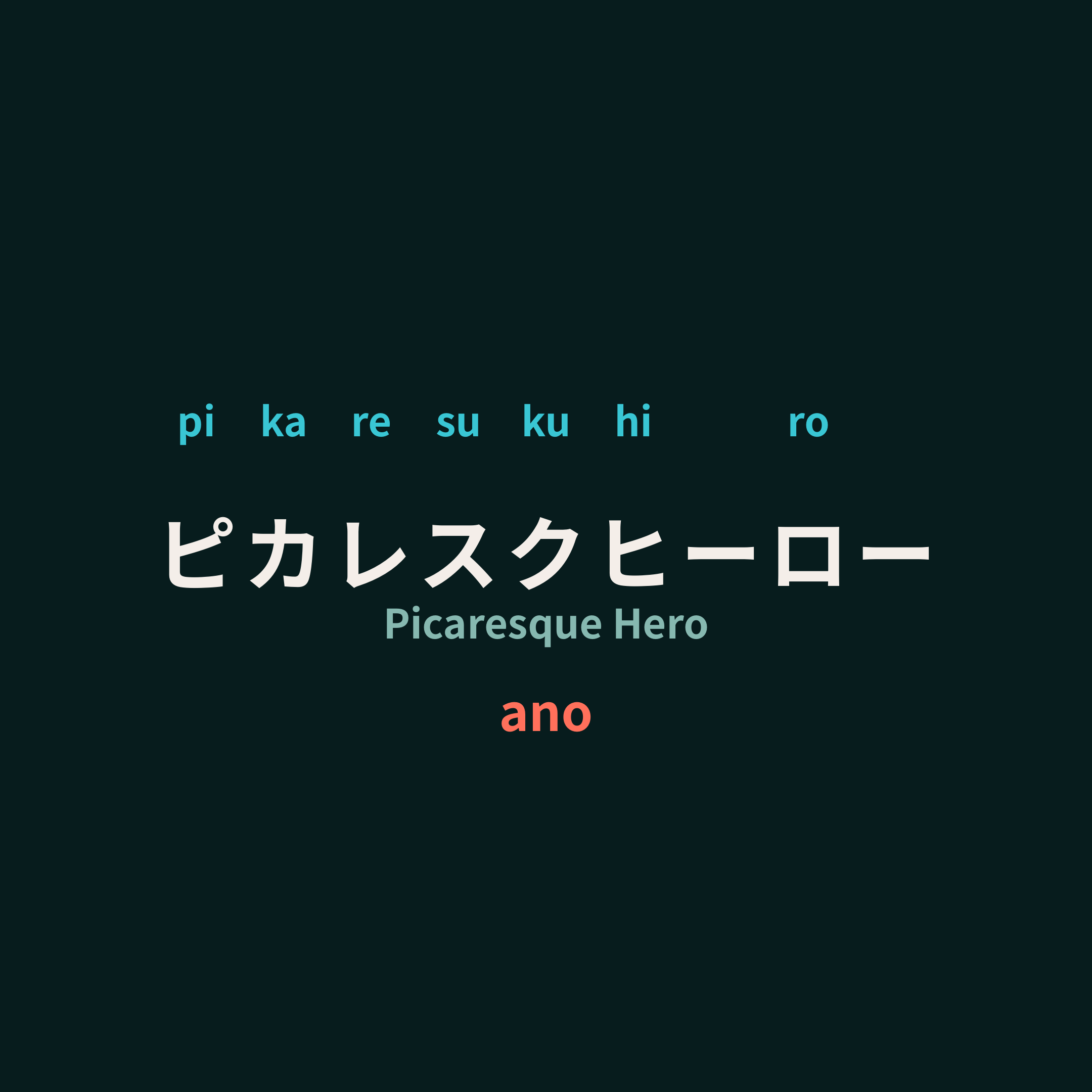
mukae ni iku yo pikaresuku hiiroo
迎えに行くよ ピカレスクヒーロー
I'll come to get you, picaresque hero
- 迎えに行く /mukae ni iku/:to go and meet or pick someone up; a verb stem plus に行く expresses going in order to do something
- ピカレスク /pikaresuku/:picaresque; centered on a rogue or antihero
- ヒーロー /hiiroo/:hero
Instrumental
I don't wanna kill you
I DON’T WANNA KILL YOU
I don't want to kill you
I don't wanna break you
I DON’T WANNA BREAK YOU
I don't want to break you
I'll do anything for that
I'll do anything for that
I'll do anything for that
ima omae nante ittakke!
今お前なんて言ったっけ!
What did you just say again?!
- 今 /ima/:now; here, just now in context
- お前 /omae/:you; a rough, forceful, or highly familiar form of address
- なんて /nante/:what; here it strengthens the questioning or surprised tone
- 言ったっけ /ittakke/:what did someone say again; 言う in the past form plus っけ, used to recall or confirm a memory
maa warawareyou ga jibun igai shinjitenee
まぁ笑われようが自分以外信じてねぇ
Even if they laugh at me, I trust no one but myself
- 笑われようが /warawareyou ga/:even if I am laughed at; passive 笑われる plus ~ようが, meaning even if or regardless
- 自分以外 /jibun igai/:anyone other than oneself, except oneself
- 信じてねぇ /shinjitenee/:do not trust; a rough conversational contraction of 信じていない, from 信じる
yaru shika nai yarenai nara koko ni wa tatte inai daro
やるしかないやれないならここには立っていないだろ
There's no choice but to do it; if I couldn't, I wouldn't be standing here
- やるしかない /yaru shika nai/:have no choice but to do it; しか~ない means nothing but or only
- やれないなら /yarenai nara/:if one cannot do it; やれない is the negative potential form of やる
- ここ /koko/:here
- 立っていない /tatte inai/:not standing; negative of 立っている, from 立つ
- だろ /daro/:conversational form of だろう, expressing conjecture, assertion, or confirmation
kaku ga chigau kakugo chigau datte ubawarete kita kara
格が違う覚悟違うだって奪われてきたから
My caliber is different, my resolve is different—because things have always been taken from me
- 格が違う /kaku ga chigau/:to be in a different class or league
- 覚悟 /kakugo/:resolve, readiness to face the consequences
- 違う /chigau/:to differ, to be different
- だって /datte/:because, after all; conversationally introduces a reason
- 奪われてきた /ubawarete kita/:have had things taken away over time; passive of 奪う plus てきた, indicating continuation from the past to now
- ~から /kara/:because, indicating a reason
ano toki subete sutetanda nani mo iranai kimi igai wa
あの時 全て捨てたんだ 何もいらない 君以外は
Back then I threw everything away; I need nothing except you
- あの時 /ano toki/:then, at that time
- 全て /subete/:everything, all
- 捨てたんだ /sutetanda/:threw away, gave up; past form of 捨てる plus explanatory or emphatic んだ
- 何もいらない /nani mo iranai/:need nothing; 何も with a negative form expresses total negation
- 君以外 /kimi igai/:other than you; with the preceding negative, it implies that you alone are needed
Instrumental
onaji hoshi ni umare owari wo egaku nara ri ga hi demo basshite
同じ星に生まれ終わりを描くなら理が非でも罰して
Born under the same star, if we are to draw the end, punish me whether I am right or wrong
- 同じ /onaji/:same, identical
- 星 /hoshi/:star, planet
- 生まれ /umare/:to be born; stem form of 生まれる, linking to what follows
- 終わり /owari/:end, conclusion
- 描く /egaku/:to draw, to envision
- なら /nara/:if; given that, a conditional expression
- 理が非でも /ri ga hi demo/:whether right or wrong; by any means necessary
- 罰して /basshite/:punish me; the て-form of 罰する, used here as a request or command
Instrumental
ochi hitotsu nai hanashi dou demo ii koto mo ima wa shiyou kimi ga soko ni iru no nara
オチ一つない話 どうでもいいことも今はしよう 君がそこにいるのなら
A story without even a conclusion—let's do trivial things now too, if you are there
- オチ /ochi/:a story's ending, payoff, or punchline; derived from 落ち
- 一つない /hitotsu nai/:not even one; a counter plus a negative indicates none at all
- 話 /hanashi/:talk, story
- どうでもいい /dou demo ii/:unimportant, it does not matter either way
- こと /koto/:thing, matter; also nominalizes the preceding expression
- 今 /ima/:now, the present moment
- しよう /shiyou/:let's do; volitional form of する, used for a suggestion or intention
- 君 /kimi/:you, an intimate or familiar form of address
- そこにいる /soko ni iru/:to be there; いる expresses the existence of a person or animal
- のなら /no nara/:if it is the case that; a conditional based on a given situation
boroboro no ribon ni kimi to osoroi no kizu de
ボロボロのリボンに君とお揃いの傷で
With a tattered ribbon and a scar matching yours
- リボン /ribon/:ribbon
- 君 /kimi/:you, an intimate or familiar form of address
- お揃い /osoroi/:matching, a pair, the same kind
- 傷 /kizu/:wound, scar; also emotional hurt
ai ni kitanda pikaresuku hiiroo
会いにきたんだ ピカレスクヒーロー
I came to see you, picaresque hero
- 会いにきたんだ /ai ni kitanda/:came to see you; a verb stem plus にくる expresses coming in order to do something, and んだ adds explanation or emphasis
- ピカレスク /pikaresuku/:picaresque; centered on a rogue or antihero
- ヒーロー /hiiroo/:hero
mukae ni iku yo pikaresuku hiiroo
迎えに行くよ ピカレスクヒーロー
I'll come to get you, picaresque hero
- 迎えに行く /mukae ni iku/:to go and meet or pick someone up; a verb stem plus に行く expresses going in order to do something
- ピカレスク /pikaresuku/:picaresque; centered on a rogue or antihero
- ヒーロー /hiiroo/:hero